In marine and industrial applications, conveyor systems play an indispensable role in the seamless operation of cargo handling and processing. These sophisticated systems, equipped with heavy-duty conveyor rollers, are the lifelines of the marine industry, ensuring the efficient movement of goods across vast distances. However, their exposure to harsh marine environments presents unique challenges, making resilience and durability paramount. Protective coatings play a huge role in tackling this. Dive in to know more about them.
The Importance of Heavy-Duty Conveyor Rollers in the Marine Environment
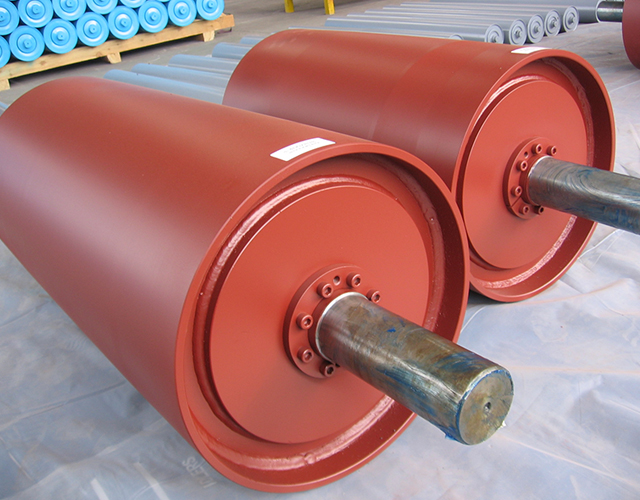
The backbone of any conveyor system lies in its rollers. Selecting high-quality, heavy-duty conveyor rollers is crucial, especially in marine environments subjected to relentless wear and tear. These robust rollers are designed to withstand the rigorous demands of marine applications, ensuring reliability and longevity. Their ability to endure the harsh sea conditions makes them an invaluable asset in maintaining the continuous flow of operations.
Challenges in Marine and Industrial Environments
Conveyors operating in marine settings face an onslaught of environmental challenges. These challenges highlight the importance of resilience in conveyor systems, not only to maintain operational efficiency but also to minimize costly downtimes. The most formidable foes include:
- Corrosion: The saline marine air accelerates the corrosion process, jeopardizing the structural integrity of conveyor components.
- Abrasion: Constant contact with materials can lead to significant wear and tear on conveyor parts.
- Mechanical Wear: The continuous movement of heavy loads puts immense stress on the conveyor system, leading to mechanical wear.
The Role of Protective Coatings in Enhancing Marine Conveyor Resilience
One effective strategy to combat these challenges is the application of protective coatings. These coatings serve as a shield, protecting conveyor components from environmental and mechanical stressors. Here’s how:
- Barrier Protection: Coatings act as a physical barrier, preventing corrosive elements from reaching the surface of the conveyor components.
- Wear Resistance: Enhanced surface coatings can significantly reduce the wear and tear on conveyor parts, prolonging their service life.
- Corrosion Resistance: Certain coatings are designed to resist corrosion, making them ideal for marine applications.
Types of Protective Coatings for Conveyor Components
When it comes to protective coatings, there’s no one-size-fits-all solution. Some of the most effective coatings include:
- Rubber Covering: Provides excellent abrasion resistance and can absorb impacts, reducing the wear on conveyor rollers.
- Powder Coating: A durable and corrosion-resistant finish protects components from harsh environmental conditions.
- Galvanizing: A process of applying a protective zinc coating to steel or iron to prevent rusting.
- Epoxy Paint: Known for its strong adhesive qualities and resistance to chemicals and corrosion.
Allied Marine & Industrial’s Approach
Allied Marine & Industrial is among the famous names in conveyor technology. As one of the leading conveyor manufacturers, our commitment to quality and durability is unmatched. Our expertise in protective coatings is evident in our product lineup, offering solutions tailored to withstand the challenges of marine environments. By prioritizing resilience and efficiency, we convey that solutions are practical and long-lasting.
In conclusion, the resilience of marine conveyors is significantly enhanced by the strategic use of protective coatings. These coatings not only extend the lifespan of the conveyor components but also ensure the continuous efficiency of operations. For industries reliant on marine conveyors, investing in quality components and protective solutions offered by Allied Marine & Industrial is not just a choice but a necessity.