

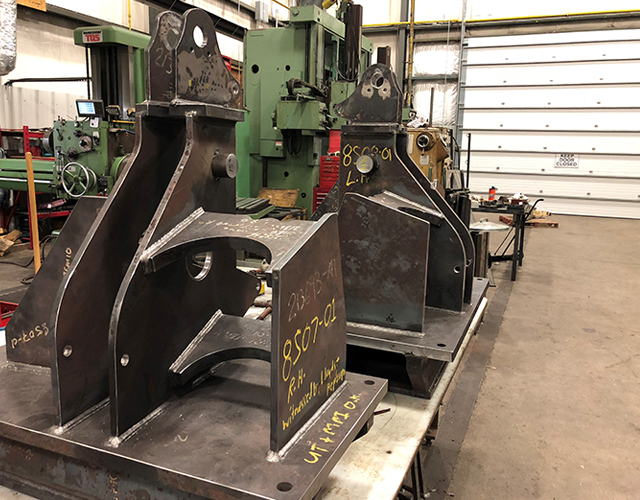
Aluminum has been used in wide production since the extraction process was refined in 1886. Prior to that, aluminum was considered a precious metal, as valuable as gold. Custom metal fabrication services have refined the process even further. Aluminum metal fabrication touches a wide field of procedures, including:
- Stamping
- Welding
- Extruding
- Bending
- Shearing
What is the First Step in Manufacturing Aluminum?
It begins with mining bauxite, which is refined into alumina. For every four pounds of bauxite, it is possible to get two pounds of alumina. The alumina is then refined further to get one pound of clean alumina. Electrical current is passed through the alumina once it is dissolved into a molten cryolite. This leaves aluminum once finished.
Advantages of Aluminum Fabrication
A lightweight metal, aluminum is only a third of the weight of stainless steel. It is easy to work with because of its malleable nature and corrosive resistance. Because it is non-toxic, it has become popular in food prep machinery. It is also easy to add to other metals to create various alloys with different properties.
Drawbacks of Aluminum Fabrication
While the ease by which aluminum can be shaped can be advantageous for certain applications, it can lead to weaker end products. It also has a high conductivity which makes it difficult for inexperienced aluminum welding services welders to worth with without permanently damaging it.
Aluminum Fabrication Techniques
Aluminum can be fabricated through various techniques, but below are the most common.
- Extrusions
- Drawing
- Forming
- Castings
- Forging
- Machining
- Waterjet Cutting
- MIG and TIG Welding
- Adhesive Bonding
What are Some of Aluminums Applications?
Aluminum is used on a daily basis in various commercial, industrial, and consumer applications. Some of the most common are below:
- Packaging
- Aerospace
- Automotive
- Electronics
- Construction
Packaging
This could include various foils, as well as, cans. Aluminum is relied upon because of its durability, softness, and workability.
Aerospace
Because of aluminum’s high weight to strength ratio, it makes it ideal for various components in the aerospace industry. It is almost exclusively used in airplanes with regard to fuselage, wings, and other various parts. Because it has an incredibly high resistance to corrosion, aluminum is long lasting with a high degree of durability.
Automotive
It is used in various automotive applications to help absorb crash impacts. It is also used to make cars lighter and more fuel efficient.
Electronics
Consumer electronics use aluminum wiring because of its thermal abilities, structural strength, and low weight.
Construction
Aluminum is used as both a decorative accent and as a structural material because of its energy efficiency and sustainability.
If you need custom metal fabrication services, look no further than Allied Marine & Industrial. Reach out today to find out more.